The Importance of Responsible E-waste Management Can Serve Business Operations Achieve Environmental Responsibility: Responsible Practices for Business Leaders
Electronics recycling delivers a essential option for enterprises looking to strengthen their sustainability efforts. By tackling e-waste correctly, firms can minimize their environmental effects and extract significant resources. In addition, embracing these methods can strengthen corporate standing with green-focused consumers. Still, numerous companies might fail to recognize the challenges found within rolling out a successful waste reduction framework. Grasping these details is critical for plotting the direction to more eco-friendly activities and obtaining long-lasting gains.
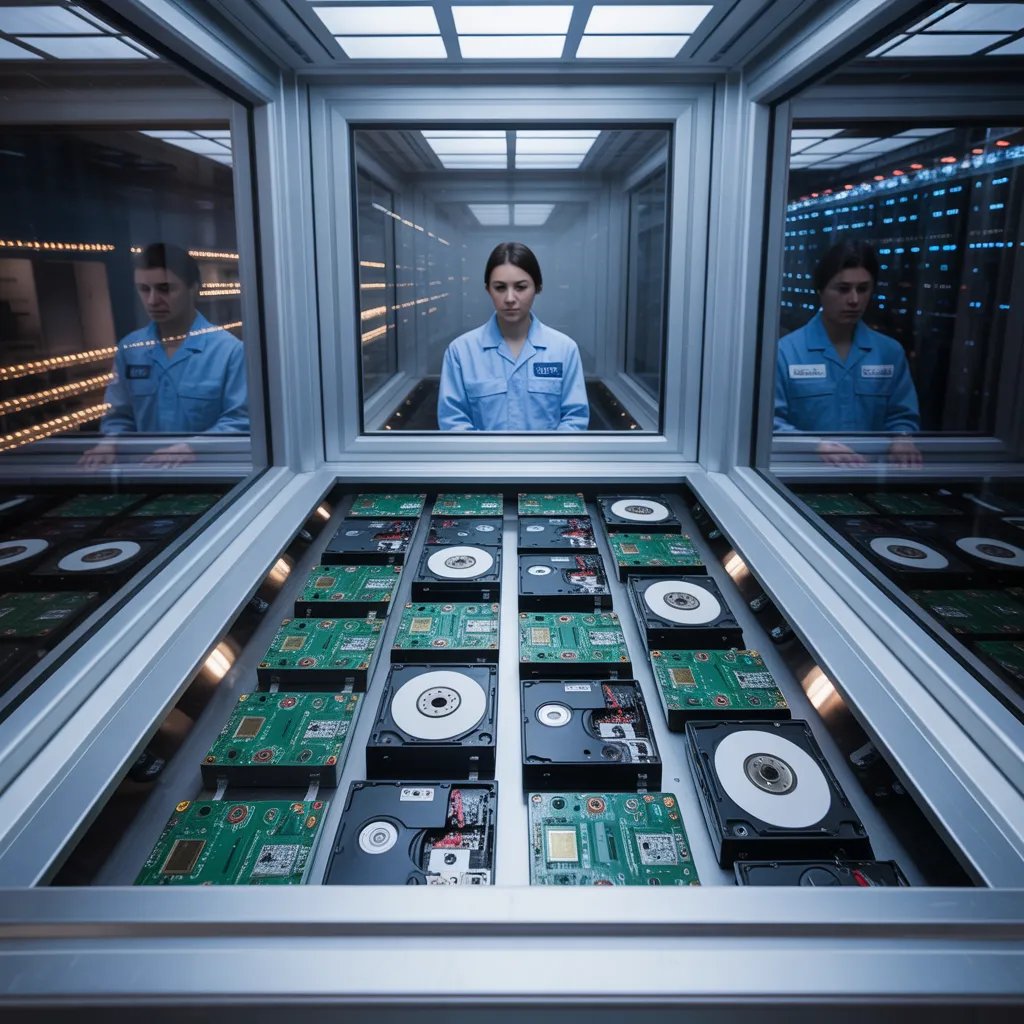
The Vital Advantages of Electronic Waste Reuse Programs for Businesses
Although many enterprises may dismiss the value of electronics reclamation, it functions as an essential role in furthering sustainability and reducing environmental impact. As technological improvements speed up, companies frequently replace their electronic equipment, resulting in a growing volume of e-waste. Effective recycling ensures that precious resources are reclaimed, reducing the demand for new resource extraction and preserving energy.
Furthermore, taking part in electronics recycling can strengthen a company's credibility. Consumers progressively support businesses focused on sustainable practices, and showing responsibility in managing e-waste can appeal to environmentally minded customers. Compliance with regulations regarding electronic waste also guards businesses from potential legal liabilities and fines.
Moreover, material recovery can yield cost savings. By sustainably managing obsolete electronics, companies can cut waste disposal fees and reclaim financial value from recyclable materials. Overall, adopting electronics recycling is not just an principled choice; it is a strategic business decision that endorses modern sustainability goals.
Ways Electronics Reprocessing Lowers Environmental Effects
Electronics recycling plays a vital role in lowering environmental consequences by preserving natural resources and reducing e-waste contamination. By recovering precious materials, this process supports the promotion of circular economy principles. As companies engage in ethical recycling, they add to a more sustainable future.
Maintaining Natural Resources
Recycling electronics greatly supports the preservation of natural resources by reclaiming precious elements. Many electronic devices contain valuable metals such as gold, silver, and palladium, which are extractable and reusable. This process reduces the necessity of mining, a energy-intensive operation that drains ecosystems and uses significant energy. Moreover, recycling assists in recovering rare earth elements that are vital for manufacturing new technologies. By diverting electronic waste from landfills, businesses also reduce the environmental impact of resource extraction but further promote a circular economy. This sustainable habit allows companies to cut down on their carbon footprint, lower production costs, and champion environmental stewardship, ultimately fostering a healthier planet for future generations. Through responsible recycling, businesses can pioneer conserving essential natural resources.
Mitigating E-Waste Degradation
A considerable share of global waste is made up of electronic devices, that cause growing environmental pollution. Incorrect e-waste disposal emits dangerous materials like heavy metals and toxins, polluting soil and water supplies. The recycling of electronics minimizes these dangers by making sure harmful parts are handled safely and responsibly. By reusing materials such as metals, plastics, and glass, recycling cuts the need for new resource extraction, leading to lesser environmental impact. Additionally, recycling programs support the responsible disposal of outdated devices, assisting businesses comply with environmental regulations. Engaging in electronics recycling allows companies to both cut their carbon footprint and encourage a healthier ecosystem. Taking this proactive step demonstrates corporate responsibility and effectively confronts the critical challenge of e-waste pollution.
Encouraging Loop Economy Implementations
Launching extensive electronics recycling initiatives acts as an indispensable pillar in fostering sustainable business practices. Through handling discarded electronics, businesses can considerably diminish the demand for raw resources, accordingly safeguarding irreplaceable resources and mitigating ecological degradation. Such activity enables the reclamation of valuable materials, prolonging the lifecycle of products and reducing the proportion of e-waste sent to landfills. Similarly, full information by embracing sustainable economic principles, organizations can fortify their standing and meet market needs for sustainable practices. Championing responsible waste management additionally stimulates breakthrough innovations in product development, driving manufacturers to create devices that are more convenient to dismantle and process. Fundamentally, weaving electronics recycling into business practices supports a more environmentally conscious world, benefiting both the natural world and the commercial sector.
Top Advantages of Electronics Recycling for Businesses
Electronics recycling provides significant advantages for businesses, mainly through cost savings and environmental impact reduction. By properly recycling old devices, organizations can reduce waste expenses and retrieve valuable materials. Furthermore, adopting recycling practices enhances corporate responsibility and encourages sustainability efforts.
Cost Savings Possibilities
Numerous organizations are identifying significant savings through effective electronics recycling initiatives. By introducing these programs, enterprises can reduce disposal fees connected to e-waste, as recycling tends to cost less than landfill disposal. Beyond that, precious materials extracted from outdated electronics can be resold, generating revenue and offsetting replacement costs. Streamlined recycling processes also lower storage costs for aged equipment, freeing up valuable office space. Moreover, many organizations enjoy from tax incentives linked to eco-friendly practices, adding another dimension of financial advantage. Overall, embracing electronics recycling not only promotes corporate responsibility but also fosters economic efficiency, allowing businesses to allocate resources more effectively and strengthen their bottom line.
Environmental Burden Reduction
A considerable decrease in environmental effects is one of the fundamental advantages companies benefit from when they initiate organized electronics recovery initiatives. By recovering useful equipment, institutions can curb hazardous materials, such as noxious compounds and poisonous matter, that can infiltrate soil and water bodies. This not only plays a role in protecting natural assets but also minimizes the emissions footprint caused by constructing new devices. Additionally, supervising decreases energy demands, as it often requires lower power consumption to process reclaimed material than to obtain and refine raw material supplies. As organizations put into place such methods, they foster sustainable economic systems, promoting environmental protection and stewardship. Ultimately, responsible waste management enables organizations to bolster green reputation while helping the natural world.
How to Construct a Productive Electronics Reprocessing Blueprint
Putting together a accomplished technology waste recycling program involves careful design and execution. Firms should begin by evaluating their current e-waste control routines to identify portions for improvement. This inspection should incorporate an inventory of deprecated apparatus and an appraisal of discharge methods.
Initially, organizations need to specify measurable goals regarding their environmental programs, which might feature decreasing waste volumes, enhancing recycling performance, or strengthening sustainability measures. Mobilizing staff via skill-building sessions establishes an ethos of environmental stewardship and facilitates participation in recycling programs.
Additionally, establishing a timeline and financial plan is essential for tracking progress and ensuring resources are allocated effectively. Regularly assessing and updating the strategy based on feedback and evolving regulations helps sustain compliance and performance. By combining these elements, companies can create a robust electronics recycling strategy that not only benefits the environment but also promotes corporate accountability and strengthens their green image.
Guidelines for Choosing the Perfect Electronic Equipment Disposal Companion
How might a business ensure that its e-waste recycling service provider aligns with its sustainability goals? Choosing the suitable recycling partner involves detailed evaluation of their practices and qualifications. Businesses should identify partners who maintain certified credentials, such as R2 or e-Stewards, which establish adherence with sustainability standards.
Additionally, organizations should question regarding the partner's recycling procedures, encompassing the procedures for addressing toxic substances and the percentage of recycled materials versus those placed in landfills. Accountability in data management and reporting standards is also vital.
Moreover, a strong standing in the industry can be suggestive of dependability; businesses may profit from reviews and testimonials from other clients. Engaging in open communication about environmental objectives will help guarantee coordination. Ultimately, selecting a partner committed to responsible waste management can greatly enhance a corporation's overall green initiatives.
Exposing Common Misconceptions Surrounding Electronics Recycling
While many companies acknowledge the importance of electronics recycling, several myths linger that can impede efficient practices. One common misconception is that all electronics can be placed in regular recycling bins. In reality, dedicated facilities are essential to process electronic waste safely. Another myth states that recycling electronics is too pricey for businesses. In fact, numerous recycling programs supply free or low-cost services that can ultimately save companies money by lowering waste disposal fees. Additionally, some assume that data security concerns make recycling too unsafe. However, reputable recycling partners supply certified data destruction services, making certain sensitive information is safely handled. Finally, there is a idea that recycling electronics has minimal environmental impact. In truth, proper recycling greatly reduces e-waste in landfills and conserves valuable resources. Debunking these myths is vital for businesses aiming to adopt sustainable practices and contribute positively to the environment.
Measuring Your E-waste Recycling Success
Businesses that effectively debunk misconceptions about electronics recycling often find themselves enthusiastic to assess their development. Recording KPIs is essential for evaluating the effectiveness of recycling initiatives. Measurements such as the amount of e-waste recycled, the percentage of materials retrieved, and cost savings can supply valuable insights.
Furthermore, organizations should review their emissions reduction efforts and compliance to environmental regulations. Involving staff through awareness programs can also be measured by participation rates in recycling programs.
Taking into account customer responses can better develop understanding of the recycling program's consequences. Ongoing audits and communication on these metrics not only highlight positive outcomes but also identify zones needing development.
In the end, a carefully planned approach to monitoring electronics recycling success empowers businesses to make data-driven decisions, encouraging a culture of sustainability that benefits both the environment and the organization.
Regularly Raised Questions
Which Varieties of Electronics Are Recyclable?
Numerous types of electronic devices are recyclable, encompassing computers, smartphones, tablets, televisions, printers, and gaming consoles. These items frequently have valuable materials that can be reused, lowering waste and promoting environmental sustainability.
How Frequently Should Businesses Replace Their Electronics?
Businesses should recycle their electronic devices at a minimum of once a year, or more often depending on technology improvements and equipment turnover. Regular recycling guarantees efficient resource management and compliance with eco-friendly laws, advancing sustainability within the organization.
Are There Expenses Associated With Electronics Recycling?
Yes, there are charges linked to electronics recycling, such as collection, transportation, and processing fees. However, these expenses can be balanced by potential gains from reduced waste disposal and compliance with environmental standards.
Does Recycling Electronics Present Data Security Risks?
Yes, electronic waste recycling can pose data security risks if proper procedures are not observed. Sensitive information may be unintentionally exposed during the recycling process, emphasizing the criticality of protected information disposal strategies before disposal.
What Accreditations Should Your Recycling Partner Acquire?
A reputable waste management provider should possess certifications such as R2, e-Stewards, and ISO 14001. These certifications verify conformity with ecological requirements, information protection measures, and responsible recycling practices, safeguarding both the ecosystem and private details.